A standard Japanese B2 movie poster measures 51.5 × 72.8 cm (20.3 × 28.7 inches). It is the most familiar Japanese theatrical format, but only one part of a much wider tradition of film advertising. Larger B1 and B0 sheets, tall STB Tatekan posters, compact B3s, Speed posters and monumental multi-sheet billboards each offer a different way to experience the artwork.
This guide uses original posters from Japan Poster Shop’s collection and archive to explain the formats, their proportions and the exceptions that matter when collecting or framing. Some illustrated examples have sold; they remain useful references. Please consult the individual listings for current availability and item-specific measurements.
Measure the actual poster before ordering a frame. Standard dimensions are reference points, not a guarantee. Vintage sheets can differ by a few millimetres, around a centimetre, or more. Linen backing, trimming, sheet joins and non-standard printing can create larger differences.

Illustrated with original examples from Japan Poster Shop’s collection and archive.
Illustrative comparison; not a precision scale drawing. Standard dimensions are reference measurements; some illustrated examples differ, particularly two-sheet and larger billboard formats.
Japanese poster sizes at a glance
| Format | Centimetres | Inches | At a glance |
|---|---|---|---|
| B2 | 51.5 × 72.8 | 20.3 × 28.7 | Standard theatrical format |
| B1 | 72.8 × 10³ | 28.7 × 40.6 | Twice the area of B2 |
| B0 — JIS reference | 103 × 145.6 | 40.6 × 57.3 | Standard reference only; two-sheet and billboard examples vary |
| STB / Tatekan | Approx. 51.5 × 146 | Approx. 20.3 × 57.5 | Tall format, commonly two panels |
| B3 | 36.4 × 51.5 | 14.3 × 20.3 | Compact format; half the area of B2 |
| Speed / Japanese insert | Often approx. 25.7 × 72.8 | Often approx. 10.1 × 28.7 | Specialist format; dimensions vary |
| B5 Chirashi & Pamphlets | 18.2 × 25.7 | 7.2 × 10.1 | Typical B5 reference; pamphlet and flyer dimensions vary |
Dimensions are short edge × long edge, not necessarily width × height. Inches are rounded. The JIS B-series measurements are nominal paper dimensions; STB and Speed measurements are approximate collector-format references.
Japan’s JIS B-series should not be confused with the international ISO B-series. In the JIS sequence, each successive size approximately halves the area of the previous one. This describes sheet size—not how many physical pieces were used to print a particular poster.
The Japanese B2 serves a similar everyday theatrical role to the American one-sheet or British quad, but it is not the same size. US one-sheets commonly measure 27 × 40 inches, with older examples often 27 × 41 inches; the British quad is typically 30 × 40 inches in landscape orientation.
B2 posters: the standard Japanese theatrical size
Nominal size: 51.5 × 72.8 cm / 20.3 × 28.7 inches.

B2 is the format most collectors encounter first. It provides room for the main artwork, cast portraits, Japanese title and release information without requiring the wall space of a billboard.
Its familiarity does not make every B2 common. The first-release regional Godzilla poster illustrated here demonstrates why film, issue, artwork and condition matter as much as dimensions. “B2” describes a format, not a rarity grade.
B1 posters: twice the area of B2
Nominal size: 72.8 × 103 cm / 28.7 × 40.6 inches.
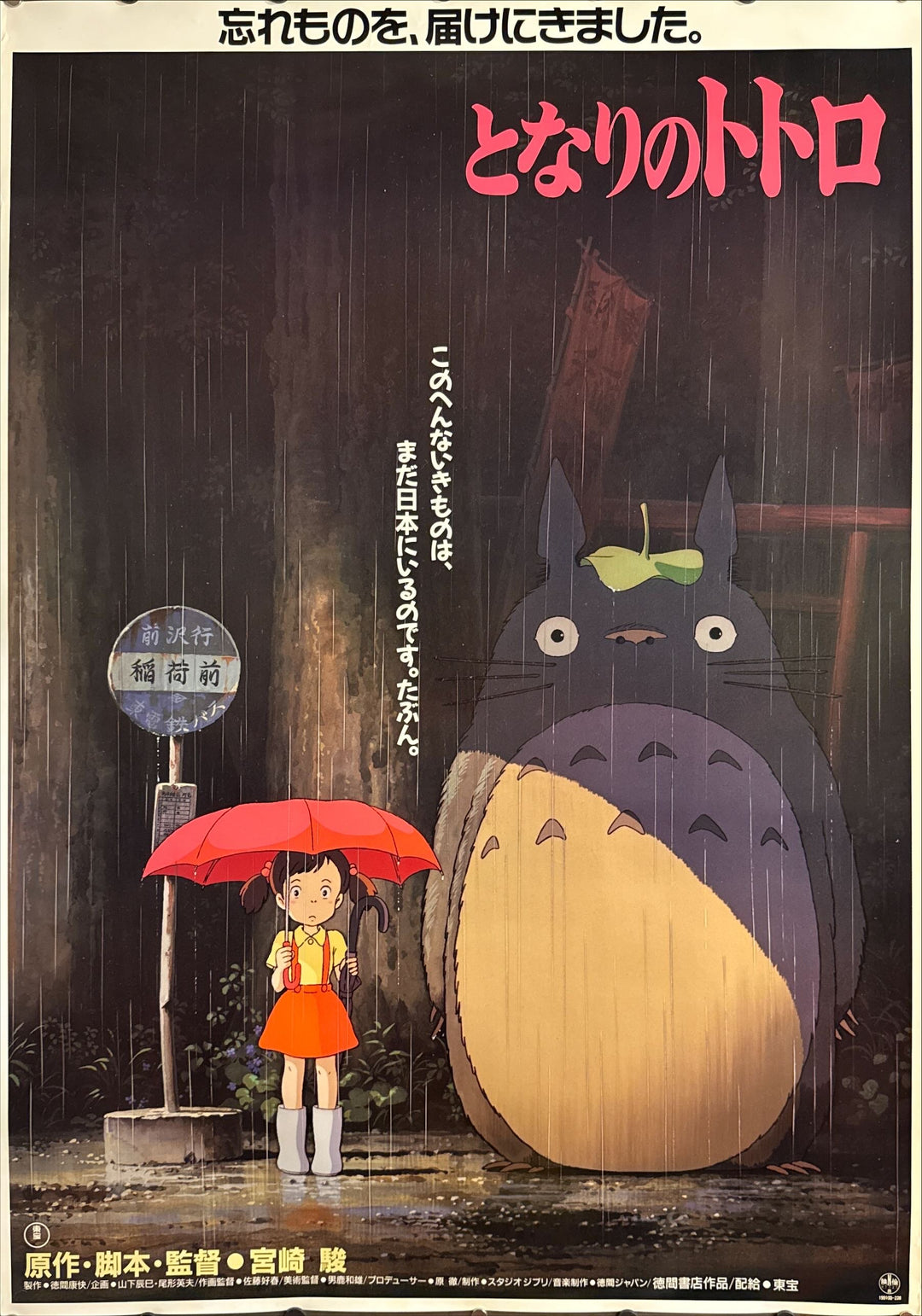
B1 offers approximately twice the paper area of B2, not twice its height and width. It gives portraiture, illustration and typography a greater presence, whether displayed vertically or horizontally.
For many releases, B1 examples are less frequently encountered than B2s. Our original My Neighbor Totoro B1 is a useful illustration of how a larger format can transform familiar artwork. The precise dimensions of the individual sheet should still be checked before framing.
STB / Tatekan: the tall Japanese signboard poster
Typical size: approximately 51 × 145–146 cm; the reference table uses 51.5 × 146 cm.
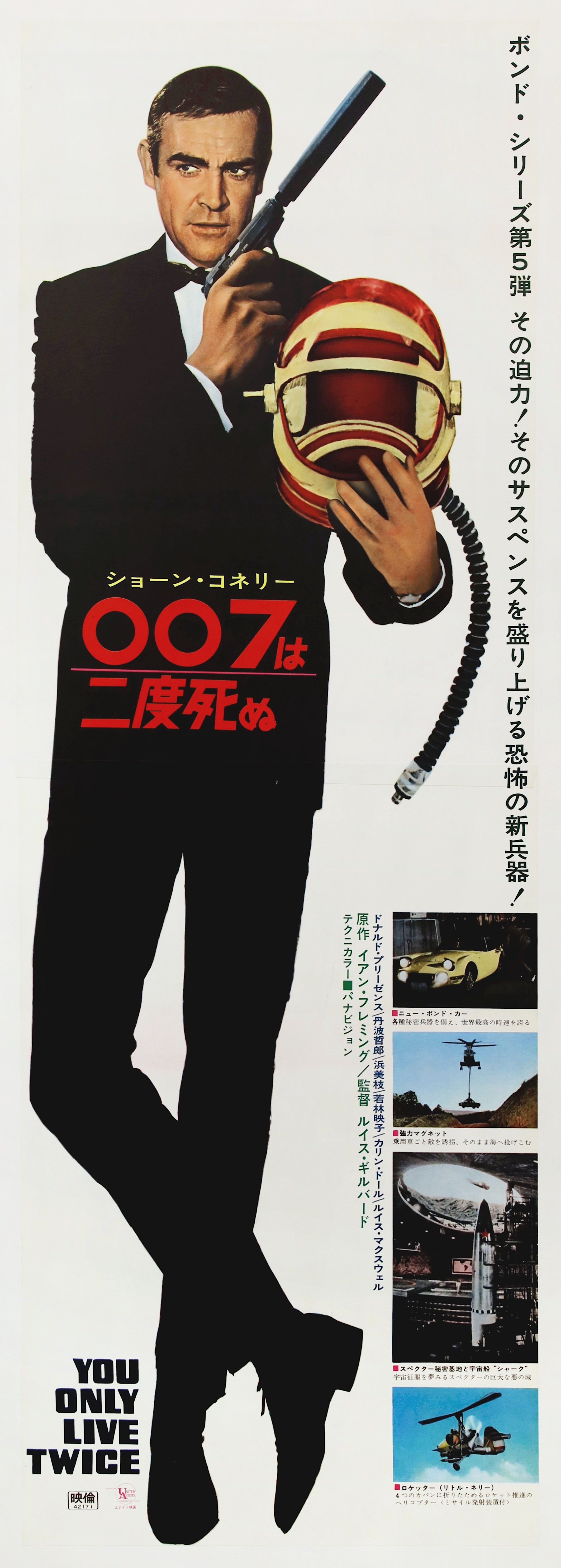
The elongated Tatekan format is associated with upright signboard advertising. Many examples consist of two B2-sized panels arranged one above the other. Their tall, narrow composition differs from a B1 even though the two formats have approximately the same paper area.
The You Only Live Twice example shows how artwork could be composed specifically for these proportions. Check whether both panels are present, whether they remain separate and whether they have been joined or backed. Overlap and conservation can affect the final display dimensions.
B0 posters: JIS sizes, two-sheet examples and variable billboard formats
Standard JIS B0: 103 × 145.6 cm / 40.6 × 57.3 inches.
This is a paper-size reference, not a universal measurement for every vintage poster described as B0.
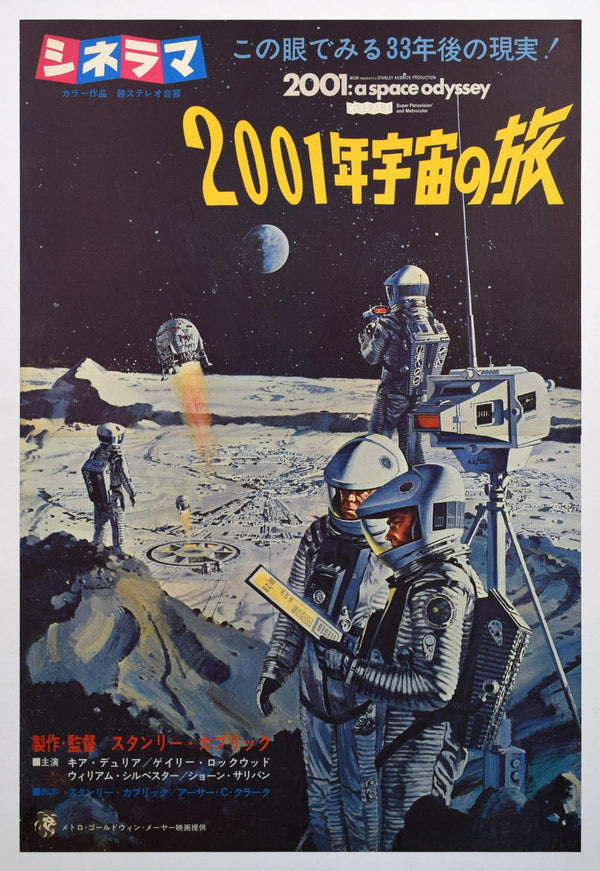
B0 is one of the more variable areas of Japanese movie poster collecting. Alongside sheets printed to the standard JIS B0 dimensions, our collection includes two-sheet B1 constructions, larger two-sheet theatrical posters and station-display material described as ekibari. These descriptions refer to paper size, physical construction or display use; they should not be treated as interchangeable guarantees of finished dimensions.
The 2001: A Space Odyssey poster illustrated here is an original two-sheet billboard larger than standard JIS B0. It is included deliberately to show the variation encountered among historic large-format Japanese posters—not as an exact-size example of the JIS standard.
Two nominal B1 sheets have approximately the same total area as standard B0. However, a vintage poster’s assembled dimensions depend on the actual panel sizes, layout and intended overlaps. Likewise, ekibari describes station-posted advertising rather than one fixed paper size.
For every B0 or larger billboard, check the individual listing’s assembled paper dimensions, number of sheets and any additional backing dimensions. Never order a frame from the B0 label alone.
Beyond B0: two-, three- and nine-sheet billboards
B0 is not the upper limit of Japanese film advertising. Our collection and archive include two-sheet B0-class posters, B1 × 3 and B1 × 9 displays, double-B0 billboards and B0 × 3 constructions.
These labels describe how the object has been catalogued or assembled; they are not a universal schedule of finished sizes. Sheet dimensions, overlaps and layout vary. Two B1 sheets do not make the same-sized display as two B0 sheets, and “two-sheet” alone does not identify a poster’s dimensions.

| Catalogue construction | Description | JPS example | Catalogued assembled size |
|---|---|---|---|
| 2 × B1 | B0-class two-sheet | Female Prisoner Scorpion | See the individual listing |
| 3 × B1 | Three-sheet billboard | The Face of Another | Approx. 103 × 218 cm |
| 9 × B1 | Nine-sheet billboard | King Kong (1976) | Approx. 210 × 310 cm |
| 2 × B0 | Double-B0 billboard | Harakiri | Approx. 158 × 220 cm |
| 3 × B0 | Three-sheet B0-class billboard | Planet of the Apes | Approx. 160 × 310 cm |
| 3 × B0 | Another three-sheet example | The Sound of Music | Approx. 158 × 288.5 cm |
These are measurements recorded for particular examples, not standard specifications for every poster in each category. The different Planet of the Apes and The Sound of Music billboards demonstrate why the actual assembled size is essential.
For collectors, the key questions are whether all sections survive, how the artwork aligns, what condition the joins are in and how the complete object can be supported and displayed.
A giant Star Wars billboard: 2.27 times the area of B0
One of the most unusual formats in our archive is the Japanese 1982 Star Wars station-front billboard, featuring Tom Jung’s artwork and measuring approximately 157.5 × 215.9 cm / 62 × 85 inches when assembled.
That is approximately 2.27 times the area of a standard Japanese B0, or 9.07 B2 sheets by area. It was printed in two physical sections—not nine B2 sheets. The comparison expresses its scale, not its construction.
Station-advertising terms also need care. Ekibari refers to station-posted advertising, while eki-mae means station-front. Neither term defines one universal paper size. The measurements above belong to this particular Star Wars billboard.
Watch the billboard’s conservation
Fourth Cone Restoration’s film follows the conservation and linen-backing of this giant poster. It provides a practical view of its scale, two-sheet construction and the work involved in presenting an oversized original.
Video: Fourth Cone Restoration — We Restored an Extremely Rare Star Wars Poster From Japan.
View the giant Star Wars billboard’s catalogue record · Read the restoration story
B3 posters: compact sheets and nakazuri advertising
Nominal size: 36.4 × 51.5 cm / 14.3 × 20.3 inches.

B3 is half the area of B2. It can be used vertically or horizontally, and the format is associated with nakazuri—advertising suspended inside railway carriages. Not every B3 poster was a train advertisement, however, and the size alone does not establish whether a sheet is printed on one side or both.
The illustrated Seven Samurai revival poster shows how a compact advertisement can preserve its own release history and local exhibition information, rather than simply serving as a smaller version of a larger poster.
Speed posters: slim inserts and non-standard publicity sheets
Common insert dimensions: approximately 25.7 × 72.8 cm / 10.1 × 28.7 inches. Other measurements occur.

The term Speed poster, or Japanese insert, is used for a group of slender promotional sheets. The familiar tall format is approximately half the width of B2 while retaining its height, although horizontal and differently proportioned publicity pieces also appear in collections.
“Speed B4” is a collector’s label, not the dimensions of standard JIS B4 paper. A normal JIS B4 sheet measures 25.7 × 36.4 cm. The Ugetsu Monogatari example shown here is a horizontal Speed-format publicity sheet, catalogued at approximately 26 × 73 cm. Other Speed posters can differ in size and orientation, so always check the individual listing.
B5 Chirashi & Pamphlets
Typical JIS B5: 18.2 × 25.7 cm / 7.2 × 10.1 inches.
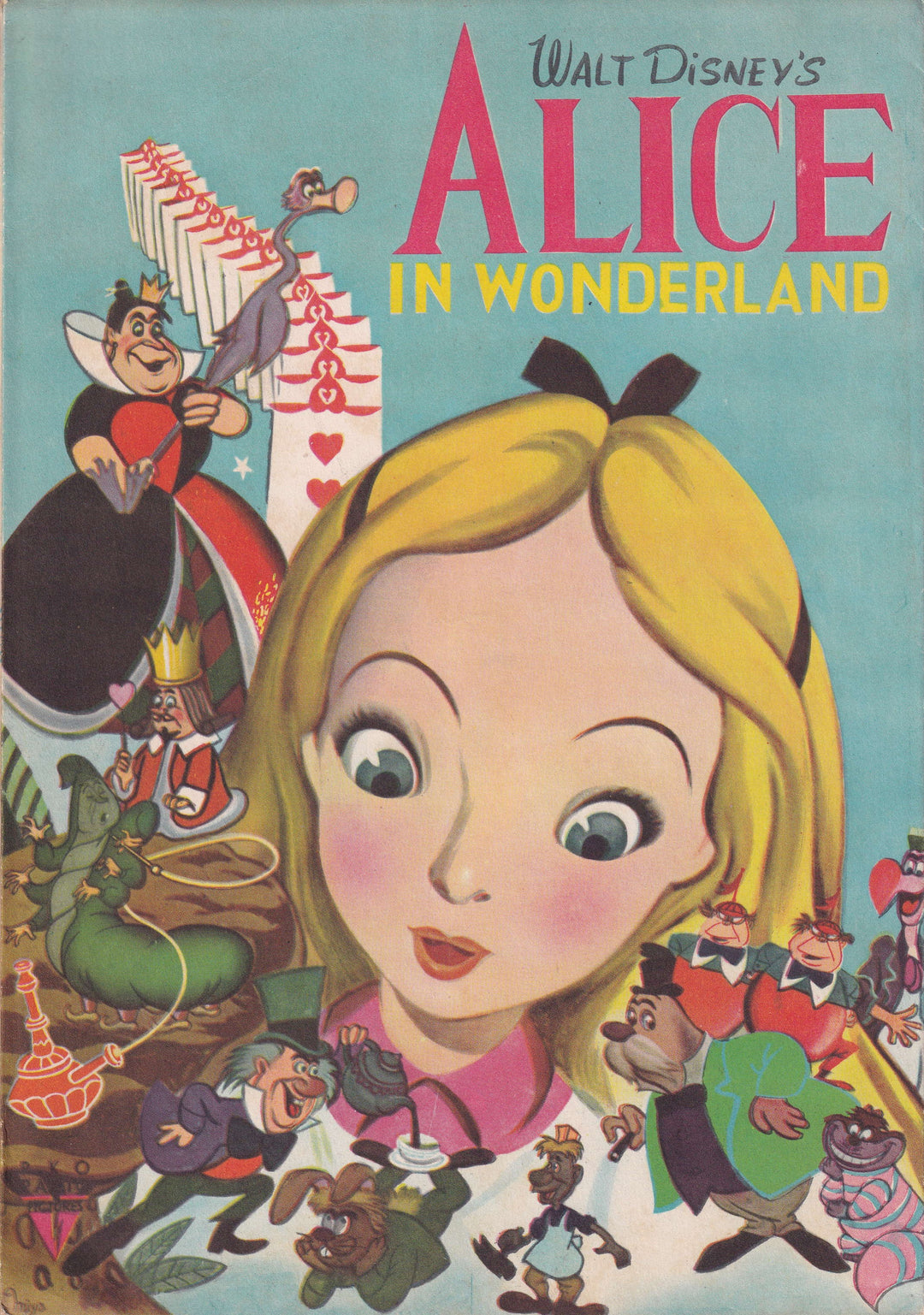
Chirashi are promotional flyers, often printed in B5 and commonly carrying additional information on the reverse. They should be distinguished from cinema pamphlets: multi-page programmes with material such as photographs, credits and production commentary.
Both can preserve distinctive Japanese artwork, but they are different objects. The illustrated Alice in Wonderland item is a cinema pamphlet. Pamphlets, folded handbills and press sheets do not all follow B5 dimensions, so check both the object type and the closed or unfolded measurements.
Smaller paper can be a practical starting point for a collection, but size alone does not determine price or rarity.
Measure before framing
Use this guide to plan your wall space; use the actual poster to order the frame. Measure the full paper in both directions, including any margins that need to remain visible.
For a linen-backed poster, distinguish the original paper dimensions from the overall support. For a multi-sheet billboard, establish the intended overlap and complete assembled size before arranging a mount or frame. Ask a specialist framer or conservator about supporting large or delicate sheets; do not trim an original to fit an off-the-shelf frame.
A few millimetres can matter to the fit. Around one centimetre is not an absolute maximum variation: some historical formats, altered sheets and backed examples differ by more.
Contact Japan Poster Shop for item-specific measurements or request a private viewing at our Shibuya gallery.